Discovering Slim Skateboard Helmets: Safety and Style


Intro
In the fast-paced world of skateboarding, safety and style can sometimes feel at odds. But there's no need to sacrifice one for the other, especially when it comes to choosing the right helmet. Slim skateboard helmets have made a name for themselves among enthusiasts, offering sleek designs that don’t compromise on protection. As we navigate through the various aspects of these helmets, we’ll uncover their significance in safeguarding skateboarders while also enhancing their overall aesthetic.
Helmet design is a reflection of the evolution of skateboarding itself—a sport that thrives on self-expression and individuality. These helmets incorporate advanced materials and innovative designs that embody both functionality and flair. Let’s take a closer look at the essential trends and features that shape the slim helmet market today, as well as the best choices for every kind of skater.
Safety First
Skateboarding can be a thrilling adventure, yet it comes with its share of risks. The importance of wearing a helmet cannot be overstated. Slim helmets have redefined protection with their lightweight yet sturdy construction. Made from materials like expanded polystyrene and reinforced fiberglass, these helmets bear the brunt of impact while staying comfy on your head.
"A good helmet is not just an accessory; it's an essential part of your gear that keeps you safe when you push your limits."
Additionally, slim helmets often come with features like ventilation systems. This helps to keep your head cool during intense sessions, ensuring that comfort does not take a backseat when safety is the priority. The latest designs also go a step further, integrating moisture-wicking liners to manage perspiration effectively.
Style and Design
When it comes to aesthetics, slim skateboard helmets offer an impressive variety. You want to look sharp while skimming the streets or hitting the skate park. Many brands have adopted a minimalist approach, ensuring that their helmets maintain a sleek profile without unnecessary bulk. Scrolling through the offerings, you’ll find everything from matte finishes to eye-catching graphics.
Choosing the right style can be a reflection of your personal tastes or even your skateboarding identity. For example, those leaning towards street skating may prefer darker colors and simpler graphics for a more understated look, while those drawn to vert skating often opt for bright, flashy designs that stand out during high-flying tricks.
Tricks and Techniques
In the realm of skating, learning the right tricks can not only elevate your skills but also keep you safe. While mastering skills is essential, pairing them with smart gear choices is equally vital. Here, we focus on honing your technique while prioritizing safety.
Mastering the Heelflip
A fundamental trick in skateboarding, the heelflip combines flair with function. To nail this trick, the first step lies in mastering the flick of your foot. Start with your back foot on the tail and your front foot positioned at a 45-degree angle near the middle of the board. As you pop the tail down, slide your front foot towards the edge. A strong flick down can cause the board to spin, resulting in a clean heelflip.
Tips for Consistent Landings
Landing a trick successfully requires practice and focus. As you go airborne, keep your knees slightly bent and ensure your eyes are on the board. This helps in aligning your body and the board for a smooth landing. Remember to distribute your weight evenly on your feet, keeping a flexible posture to absorb the impact.
Skate Gear and Equipment
Safety gear plays a crucial role, particularly for skaters looking to explore more advanced tricks or rough terrains. Understanding what equipment works best can be the difference between progress and injuries.
Choosing the Right Skateboard
Selecting the perfect skateboard is more than just picking a size or a graphic; it’s about finding a board that matches your skating style. Different shapes, sizes, and wheel types influence the ride and control you have. Street boards are generally lighter and designed for tricks, while cruiser boards offer stability and comfort.
Essential Safety Gear for Skaters
It’s not just about helmets. Having the right safety gear includes knee pads, elbow pads, and wrist guards. Investing in high-quality protective gear may seem like an extra expense, but it’s a small price to pay for peace of mind. Safety gear is designed for impact absorption, ensuring that you can skate hard without the fear of serious injury.
For further insightful reading, you may explore resources from Wikipedia and learn more about safety standards from OSHA. Keep in mind that your safety gear should be just as personalized as your skateboard itself.
Intro to Slim Skateboard Helmets
When it comes to skateboarding, the right gear can make or break the experience. Helmets, in particular, hold monumental significance, offering a blend of safety and style that every skater should consider seriously. Slim skateboard helmets are drawing attention in the world of skating, and it's crucial to understand what sets them apart from traditional designs, as well as the benefits they offer.
Slim helmets generally boast a streamlined profile, making them less clunky compared to regular helmets. Not only do they provide a more aesthetic appeal, but they also contribute to improved aerodynamics, which can be a game-changer for skateboarders who push the limits. Wearing a slim helmet doesn't compromise on safety either; in fact, many of these models incorporate advanced technologies that meet and often exceed safety standards. This leads us to the importance of engaging with the features that define slim helmets in today's market.
Defining Slim Helmets
Slim helmets are a modern solution to the age-old issue of balancing safety with comfort and style. These helmets are typically lighter and have a more minimalistic appearance than their bulkier counterparts. Think of it like choosing between wearing a hefty winter coat and a sleek, form-fitting jacket: both can keep you warm, but the latter allows for more freedom of movement and a greater sense of style.
The defining characteristics of slim helmets include their lower profile, less overall weight, and often a well-thought-out ventilation system that aids in keeping the wearer cool. For many skaters, it's a priority to have headgear that doesn’t obstruct their racing vision or make them feel weighed down. When exploring the market, it becomes evident that these helmets cater to the aesthetic sensibilities without sacrificing an ounce of safety.
Historical Context of Skateboard Safety Gear
The evolution of skateboard helmets has been as transformative as skateboarding itself has been over the decades. In the early days, safety gear was often an afterthought. Many skateboarders, particularly in the '60s and '70s, viewed helmets as uncool or a sign of weakness. Yet an alarming number of injuries led to a shift in perspective, particularly as skateboarding gained mainstream popularity.
As we moved into the '80s, the introduction of foam padding and hard exteriors marked a turning point. Those early designs were quite bulky, typically resembling something more akin to a football helmet than what you'd find today on a trendy street corner. Gradually, manufacturers recognized the need for improved designs that would enhance user experience while providing the necessary protection.
Today, the refinement in design and materials has birthed the slim helmet, which caters specifically to the modern skater. It illustrates a continued commitment to safety, highlighting how industry standards and consumer expectations have evolved.
"Understanding the history of skateboard safety gear provides crucial insights into how far we've come in merging style and safety."
As consumers and enthusiasts encounter these modern innovations, they gain the opportunity to appreciate the balance between aesthetics and protection that slim helmets strive to achieve in both urban streets and skate parks.
Importance of Wearing a Helmet
Wearing a helmet is not just about following a trend; it plays a crucial role in ensuring safety for skateboarders of all skill levels. The world of skateboarding comes with its fair share of risks, and that's where the significance of helmets shines through. This section breaks down the essential elements of helmet use, highlighting protective advantages while also addressing essential legal aspects.
Protective Benefits
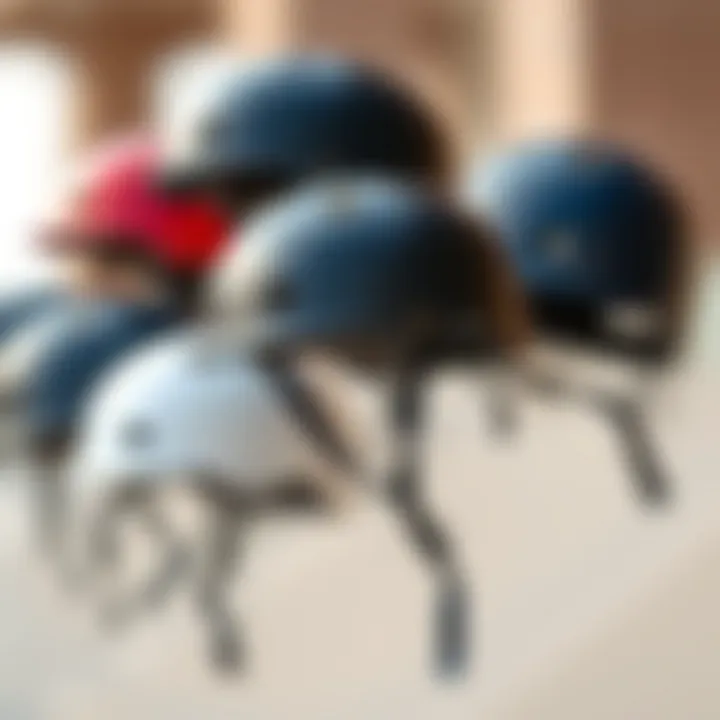
A helmet acts as the first line of defense against head injuries. When you take a spill, even the best skateboarders can find themselves on the wrong end of gravity. Here are some key protective benefits a helmet provides:
- Impact Absorption: Helmets are designed to absorb the shock from falls, reducing the force that can reach your skull. This could mean the difference between a minor bump and a severe concussion.
- Increased Visibility: Many helmets come with reflective elements or bright colors that enhance visibility. This is especially handy when skating in low-light conditions.
- Stability: A snug helmet contributes to head stability, particularly during fast descents or tricky maneuvers. It keeps your head protected while you focus on your tricks.
“Wearing a helmet is like wearing a seatbelt. You may not need it every time, but when it counts, you’ll be glad you had it on.”
To break it down even further, studies show that skateboarders who wear helmets are significantly less likely to suffer critical head injuries. According to the Centers for Disease Control and Prevention (CDC), those not wearing helmets are three times more likely to sustain severe head trauma. It's essential to keep in mind that while skateboarding can be thrilling, the risks involved grow without the shield of a helmet.
Legal Requirements in Various Locations
The legal landscape concerning helmets varies widely based on where you ride. Some states and municipalities adopt strict regulations that mandate helmet use, particularly for younger riders. Here are some notable points to understand:
- Youth Regulations: Many areas enforce laws requiring minors to wear helmets while skateboarding. This is crucial as youngsters may not fully grasp the risks involved.
- Adult Recommendations: For adult skateboarders, regulations might be more relaxed. Nevertheless, it’s often suggested that adults should still wear helmets, not just to protect themselves, but to set a good example for young skaters.
- Local Enforcement: Enforcement can differ drastically across locations. In some cities, you might face fines for riding without a helmet, while in others, police may prioritize other skateboarding-related issues.
It’s wise to check local laws and regulations. Government websites often provide handy resources to track these laws based on your location. Websites like nhtsa.gov can guide you in understanding your area's helmet laws.
Taking protective measures is never a decision made in haste; it’s about surrounding yourself with the best possible protections while doing something you enjoy. In skateboarding, this could mean the world when it comes to avoiding serious injuries. By knowing both the personal advantages and legal implications, you can make informed choices while hitting the pavement.
Design Features of Slim Helmets
The design features of slim helmets are more than just a matter of aesthetics; they’re crucial for providing the safety skateboarders need while also enhancing their overall riding experience. While safety must be the primary consideration, added elements such as comfort and airflow can significantly impact riders’ performance on their boards.
Aerodynamic Shapes
Aerodynamics play a rich role in skateboarding, especially for those who enjoy speed. Slim helmets cater to this need with their finely-tuned shapes that reduce wind resistance. A streamlined design helps skaters slice through air like a hot knife through butter. Unlike bulkier helmets that can create drag, slim helmets offer a snug fit that allows for better maneuverability. It's not just style—these helmets are designed to minimize the forces acting against a rider during high-octane rides, thus allowing for more confidence when cruising down a hill.
- Less Resistance: The smooth contours of slim helmets enable better airflow, optimizing the helmet's ability to shield from wind without slowing the rider down.
- Enhanced Stability: As wind flows over a helmet with an aerodynamic shape, the likelihood of the helmet shifting during movement reduces, providing added stability.
Ventilation Systems
Skateboarding can be an exhausting activity, leading to sweat that can obscure one’s vision and comfort. That’s where effective ventilation systems come into the picture. Many slim helmets are equipped with carefully positioned vents that encourage air circulation. The result? A cooler head for the skateboarder, which translates into extended sessions at the skate park.
To dive deeper, here’s how ventilation enhances the overall experience:
- Airflow Efficiency: Openings in a helmet's design allow hot air to escape while ushering in fresh air, keeping the wearer cool.
- Moisture Management: With sweat being a natural byproduct of exertion, adequate ventilation helps in dissipating moisture, preventing it from collecting inside the helmet, thus avoiding clamminess that can distract a rider.
Padding and Comfort Enhancements
Comfort should not be an afterthought; a well-padded helmet can mean the difference between a delightful ride and a distracting, uncomfortable experience. Slim helmets often feature cushioning made from high-quality foam that molds to the user's head, making the fit feel tailored. Good padding not only enhances comfort but also plays a vital role in providing a snug fit that decreases the chance of the helmet coming loose during a ride.
Moreover, certain designs incorporate moisture-wicking fabrics within the padding, further increasing comfort during longer skate sessions.
To ensure maximum safety and comfort, look for:
- Adjustable Padding: Some helmets offer removable and adjustable pads, allowing skaters to customize the fit for optimal comfort.
- Integrated Features: Consider helmets with built-in technologies, such as anti-bacterial treatments that help keep the interior of the helmet fresh.
Materials Used in Slim Helmets
Understanding the materials that are used in slim helmets is essential for skaters aiming to merge safety, comfort, and aesthetic appeal. The choice of material can impact not just the helmet's weight and durability, but also its ability to absorb impact during a fall. Below, we delve into specific elements, benefits, and critical considerations regarding materials used in these helmets.
Impact-Resistant Shells
Impact-resistant shells are arguably the backbone of any quality helmet. Most slim helmets are made from materials like polycarbonate or ABS plastic, which are known for their excellent strength-to-weight ratios. These plastics can absorb shock in a way that minimizes the force transferred to the skull upon impact.
- Polycarbonate: This material is lightweight and highly resistant to impact, making it an ideal choice for a slim design. It allows manufacturers to create thinner shells while still providing a high level of protection.
- ABS Plastic: Used in many budget models, ABS is sturdy but slightly heavier. However, it provides decent protection at a lower cost, appealing to those who may not be ready to invest heavily in gear.
"A helmet should feel like an extension of your head. If it’s flimsy, it won’t do its job properly."
— An experienced skater on helmet selection.
Choosing a helmet with a proper impact-resistant shell is crucial. Not only does it retain a slim profile, but it also ensures that you remain as safe as possible while shredding your favorite skate spots.
Lightweight vs. Heavier Materials
The weight of a helmet influences comfort and usability during skateboarding. Lightweight materials, such as carbon fiber and advanced foam composites, are gaining popularity, especially among serious skaters.
- Lightweight Materials: Helmets made from carbon fiber or similar composites tend to be pricier but provide benefits such as high durability and minimal weight. This allows skaters to enjoy prolonged sessions without fatigue impacting their performance.
- Heavier Materials: While materials like ABS are more affordable and offer reasonable protection, they can be bulkier and less comfortable. This could deter some skaters, especially those who prioritize performance and agility.
Ultimately, it comes down to personal preference. Serious skaters may choose lighter materials for competition or tricks, while casual riders might opt for heavier, cost-effective options. The key is to find a balance between protection, weight, and comfort.
Sustainability Concerns
As the skateboarding community becomes more environmentally conscious, the sustainability of helmet materials has come under scrutiny. More manufacturers are looking for ways to make their products eco-friendlier without compromising safety.
- Biodegradable Options: Some brands are experimenting with biodegradable plastics and sustainable materials made from renewable resources. This not only helps reduce landfill waste but also appeals to skaters concerned with their environmental footprint.
- Recycled Materials: The use of recycled plastics is on the rise. Helmets made with recycled materials offer a way for skaters to protect themselves while also being more eco-aware.
When selecting a helmet, considering the environmental impact of the materials is becoming increasingly important. The choice reflects not only personal safety but also one’s commitment to the planet.
Choosing the Right Slim Helmet


Selecting the right slim skateboard helmet is crucial for any skateboarder, whether novice or seasoned pro. The helmet isn’t just a piece of gear; it is the frontline of protection that guards against potential head injuries, allowing riders to focus on perfecting their moves instead of worrying about their safety. When choosing, several key areas come to the forefront: fit, personal style, and brand reputation.
Sizing and Fit Guidelines
First and foremost, getting the size right is non-negotiable. A helmet should fit snugly without being overly tight. Ideally, when you put on the helmet, it should sit about an inch above your eyebrows and cover the back of your head down to the nape of your neck. One essential tip is to measure your head circumference using a flexible tape measure just above the ears and eyebrows. Afterward, consult the manufacturer’s sizing chart to find your match.
A poorly fitting helmet can lead to discomfort during rides, and worse, it might not offer adequate protection. For added security, look for adjustable fit systems inside the helmet, as these allow for micro-adjustments for that perfect fit.
Personal Style and Aesthetic Choices
Skateboarding is as much about personal style as it is about the act itself. A helmet can elevate an outfit or reflect one's personality. Slim helmets often come in myriad colors, patterns, and finishes, providing ample opportunity for expression. Whether you lean towards bold graphics or a more understated matte finish, there’s a helmet to match your vibe.
Think about what style you want to embody when skating. For instance, are you seeking something rugged for a tough street style or slick for a more refined look? These considerations can make a difference, ensuring that your gear is as appealing as it is protective.
Comparing Different Brands
With a variety of brands in the market, it’s worth digging a bit deeper to find helmets that align with your specific needs. Some companies have built a reputation for quality and durability, while others may offer innovative designs at a competitive price. Reviewing user feedback on platforms like Reddit or skateboarding forums can provide valuable insights.
Some of the notable brands include Sector 9, Pro-Tec, and Bell, each bringing their unique strengths to the table. Sector 9 is recognized for its stylish options, while Pro-Tec focuses on extensive safety standards. Meanwhile, Bell might appeal to those who prioritize comfort and a snug fit. Don’t hesitate to compare their offerings—features like weight, visibility, and ventilation could tip the scales toward one over the other.
"A helmet shouldn’t just be a protective gear; it should make you feel good while you wear it."
Taking the time to explore different slim helmet options can significantly impact your overall skateboarding experience. Just like with any other gear, it pays to do your homework. Safe skating!
Learn more about helmet safety standards at CPSC.gov or explore the latest designs on sites like Skateboarder.com for inspiration.
Slim Helmet Brands to Consider
In the growing landscape of skateboarding safety gear, selecting the right slim helmet goes beyond mere aesthetics; it signals a skater's dedication to both style and protection. Investing time in understanding various helmet brands can make a world of difference. Not only can it lead to better safety outcomes, but it can also ensure that you align your choice with personal style and comfort preferences. As technology progresses, newer brands increasingly prioritize innovative designs and material efficiency, often positioning themselves as game-changers. This section will help you navigate through the noteworthy manufacturers and emerging players in this niche market.
Top Manufacturers in the Market
Several prominent manufacturers have consistently delivered quality and protection in the realm of slim skateboard helmets. These brands have garnered a reputation not only for their attention to safety but also for design and comfort, appealing to a diverse skater demographic.
- Bell Helmets: Widely recognized in various cycling and skating circles, Bell Helmets takes pride in their advanced safety features. Their slim models blend style with functionality. Many pro skaters swear by their superior fit and enhanced ventilation.
- Pro-Tec: A brand that has embraced skate culture from its inception, Pro-Tec remains a staple choice for many skateboarders. Their helmets are designed with a range of shell shapes, ensuring a snug fit while keeping a low profile.
- TSG: This company stands out for its meticulous attention to detail and commitment to safety standards. TSG helmets often feature customizable padding options, catering to individual comfort needs without compromising on a sleek look.
- Crashed: A newer player on the block, Crashed has quickly become popular among younger skaters. Their helmets boast trendy designs and minimalist aesthetics while still meeting rigorous safety requirements.
The advantage of choosing established brands includes having reputable customer service, warranties, and the assurance of meeting safety standards.
Emerging Brands and Innovations
On the other hand, the world of slim helmets has also given rise to emerging brands that are pushing the envelope. Companies focusing on innovative designs and unique material use are inspiring a shift in the market.
- Kali Protectives: Known for their cutting-edge technology, Kali Protectives has made waves by integrating MIPS (Multi-Directional Impact Protection System) into some of their slim models. This innovation aims to reduce rotational forces during impacts, thereby increasing safety.
- Poc: Though originally a cycling-focused brand, Poc has entered the skate market with helmets that emphasize both safety and style. Their products often feature unusual aesthetics that appeal to modern skater sensibilities.
- S1 Helmets: Dedicated to creating high-quality, slim skate helmets, S1 is carving a niche with designs that address specific uses, such as street skating or ramp riding. Their helmets are noted for superior impact resistance and style.
- Skullcandy: Not only known for audio gear, Skullcandy has entered the helmet arena with sleek, tech-friendly designs. Aimed at younger audiences, they integrate Bluetooth compatible audio systems while maintaining safety standards.
The Role of Certifications in Helmet Selection
Selecting the right helmet is not just about style or fit; it hinges significantly on the certifications that affirm its safety standards. Certifications act as a critical benchmark in the helmet industry, ensuring that safety gear adheres to stringent protective guidelines. This section will dissect the essence of certifications, elucidating their importance in making informed choices for both novice and seasoned skateboarders.
Understanding Safety Standards
Safety standards are frameworks put in place to ascertain the effectiveness of helmets in protecting the head during falls or accidents. Various organizations globally, such as the Consumer Product Safety Commission (CPSC) in the United States and the European Committee for Standardization (CEN), set these standards. When a helmet meets or exceeds these guidelines, it signifies that it has undergone rigorous testing, simulating real-world impacts. Here are some crucial safety standards to be aware of:
- CPSC: A must for helmets sold in the U.S., ensuring they withstand specific impact tests.
- ASTM: These standards cater mainly to skateboarding and similar activities, offering an additional layer of safety requirements.
- EN 1078: This European standard applies to cycling, skateboarding, and roller-skating helmets, focusing on head protection in case of falls.
- Snell: A highly respected certification that emphasizes the highest level of safety.
Obtaining and displaying these certifications implies that a helmet has been subjected to various tests, ensuring that it can indeed save lives, rather than just look good on the skater's head.
Certifications to Look For
Navigating the variety of helmet options can be daunting. However, knowing which certifications to prioritize can streamline your selection process. Here’s what to keep an eye out for:
- CPSC Certification: Look for a sticker inside the helmet. This indicates compliance with safety requirements in the U.S.
- ASTM F1492: This certification specifically focuses on skateboarding helmets, ensuring they have passed critical impact and penetration tests.
- EN 1078 Label: This means the helmet holds up against the wear and tear of various environments typical in skateboarding.
- Snell Certification: Although less common, this certification signifies optimal protective standards designed for those who might engage in intense or extreme sports.
"Certifications are not just labels; they are assurances that your safety gear can make all the difference on your ride."
When you understand these certifications and their implications, you empower yourself to make informed decisions. A helmet that is certified may cost a bit more, but investing in a certified helmet is undeniably an investment in your safety. The value of protecting your skull is priceless in the world of skateboarding.
By prioritizing certifications, skateboarders ensure they are choosing a helmet that not only aligns with their style but also meets the requisite safety standards. This balance between function and fashion is essential for anyone serious about skateboarding.
User Experiences and Testimonials
User experiences and testimonials are the heart and soul of understanding the effectiveness and practicality of slim skateboard helmets. While manufacturers can provide specifications and features, it's the voices of actual users that lend credence to claims about performance, comfort, and safety. Feedback from skateboarders is crucial as it highlights real-life implications of helmet use, which can often differ greatly from marketing narratives.
Some benefits of exploring user experiences include:
- Insight into Performance: Users share firsthand accounts of how well their helmets perform during different types of skateboarding, from cruising down the street to tackling skatepark ramps. These insights can help potential buyers understand what to expect in various conditions.
- Comfort and Fit: A helmet might look slick and have cutting-edge technology, but comfort is key when it comes to actual usage. Testimonials often address the fit, weight, and overall feel. A helmet that’s too heavy or does not sit right can easily be a deal-breaker, highlighting the importance of real-world feedback during the selection process.
- Emotional and Psychological Aspects: Aside from the practical details, users relate their experiences regarding confidence and peace of mind while wearing a helmet. This can play a crucial role, particularly for those pushing their limits in risky maneuvers on their boards.

"The first time I wore my slim helmet, I felt like I could really go for it without worrying too much about falling. It literally changed the way I skated."
— An enthusiastic skateboarder
Collectively, user experiences create a nuanced understanding of what to expect from slim helmets. While company specifications provide a base, these accounts fill in the gaps that data alone cannot, addressing personal comfort and user trust.
Real-life Accounts of Helmet Performance
When it comes to helmet performance, stories from skaters often reveal unexpected results that statistics might not indicate. Many users have shared experiences where their helmets performed admirably during falls and collisions, significantly reducing the impact on their heads. For instance, one skateboarder recounted a day at the skate park where they tried a new trick and took a nasty tumble. Their slim helmet, which they initially thought would be merely stylish, absorbed the shock effectively and allowed them to get back on their board quickly.
Many skaters will mention how the helmet’s lightweight design does not hinder their movement or flip tricks, which are essential to their skating style. One frequent point made is that some helmets have unique, proprietary impacts absorption technology that effectively disperses energy during a crash.
In short, those who embrace slim helmets often convey a sense of reassurance when practicing their sport.
Community Perspectives on Slim Design
Community perspectives on slim helmet design highlight a keen appreciation for the balance between aesthetics and functionality. Many skateboarders prioritize helmets that reflect their personal style, which contributes to the acceptance of wearing protective gear.
Conversations in local skate parks or on forums often revolve around which brands offer the sleekest profiles and most vibrant colors, so they don't compromise their look for safety. Further, users appreciate the modern take on helmet designs, allowing them more freedom to express themselves while still being safe.
- Fashion Meets Function: Users have discussed how the slim design of these helmets allows for a seamless integration into their skateboarding attire, making them feel less like a protective device and more like a natural part of their gear.
- Peer Influence: Many skaters cite seeing others in their community sporting slim helmets and the discussions surrounding them positively influenced their purchasing decisions. After observing someone else use a helmet and hearing their experience, they were often more inclined to consider similar options for themselves.
In essence, community perspectives reflect a growing movement towards safety without sacrificing identity, showcasing how important it is for helmet manufacturers to listen to the individual needs of skaters. As the narrative continues to evolve, so does the community's demand for slim and stylish options that ensure protection and promote user happiness.
Caring for Your Slim Helmet
Caring for your slim helmet is more than just keeping it looking fresh and clean; it's about ensuring it performs its essential job of protecting your noggin. After all, a helmet is the first line of defense when you’re shredding on your skateboard. Regular maintenance not only prolongs the lifespan of the helmet but also ensures that it continues to meet safety standards. Additionally, given the investment involved in purchasing a quality helmet, taking good care of it is a sound practice that every skateboarder should embrace.
Cleaning and Maintenance Tips
A clean helmet contributes to comfort, fit, and performance. Here’s how to give it a thorough cleaning and some maintenance tips to keep it in top shape:
- Regular Wipe Down: At the end of each skate session, a quick wipe down with a damp cloth can remove sweat, dirt, and grime that builds up. A soft brush can help get into crevices if needed.
- Wash the Pads: If your helmet has removable padding, throw those pads in the washing machine occasionally. Just use a gentle cycle to avoid damage and air dry them completely before reinserting.
- Inspect Regularly: Periodically check for any loose straps, cracks in the shell, or worn-out padding. Addressing these issues early can save you from bigger headaches down the line.
"A helmet that looks good and works well sends a strong message. Keep it clean, and it will serve you longer."
- Drying: After a wet session, allow your helmet to dry naturally at room temperature. Avoid using heat sources, which can warp the shell.
- Storage: Store your helmet in a cool, dry place away from direct sunlight. Extreme temperatures can impact the materials, leading to premature wear.
Assessing Wear and Tear
Even the best helmets wear down over time. Recognizing signs of wear is crucial to ensuring your helmet continues to protect you well.
- Physical Condition: Look for any visible signs of damage like cracks, dents, or scratches on the exterior. If you see any of these, it's usually best to replace the helmet.
- Straps and Buckles: These components are just as critical as the shell. Make sure the straps are not frayed and that buckles function properly. Failure to secure tightly can put you at risk.
- Age of the Helmet: Helmets typically have a lifespan of about 3-5 years, depending on usage and care. If you’ve had your helmet for several summers of skating, it might be time to consider a new one.
- Odor: A persistent foul smell can mean that bacteria have taken residence. It might indicate that it’s time to clean or — in severe cases — replace the helmet altogether.
- Certifications: Check for safety certification stamps or stickers that may age over time. If your helmet no longer meets recognized safety standards, it’s time for an upgrade.
Taking time to maintain your helmet ensures it remains an effective safety tool while you enjoy your skateboarding adventures. Keeping an eye on cleanliness and wear can save you from potential injuries and keep you looking sharp while you ride.
Future of Slim Skateboard Helmets
As with all pieces of gear in the fast-paced world of skateboarding, slim helmets are not immune to the currents of change and innovation. Understanding the future of slim skateboard helmets in this article is crucial for skateboarders who aim to stay ahead of the game, combining safety with style. The trajectories of technological progress and design evolution not only impact how riders experience their sport but also enhance protective measures, making the gear more reliable and fashionable than ever.
The demand for slimmer profiles without sacrificing security reflects a shift in consumer preferences toward gear that conforms better to personal identities while adhering to safety protocols. As we look ahead, it’s essential to consider what advancements may further bridge the gap between aesthetics and functionality.
Technological Advancements
The evolution of technology in helmet-making is advancing at a rapid clip. Innovative materials and manufacturing techniques are at the heart of this transformation. For instance, the integration of expanded polystyrene (EPS) foam, coupled with advanced composite materials, contributes to stronger, lighter helmets that better absorb impact.
Additionally, we’re witnessing the rise of smart helmet technology. Smart helmets can incorporate features such as built-in communication systems and sensors that provide data on speed, distance, and even crash alerts. The melding of these digital advancements within traditional protective headwear not only enhances utility but also offers layers of safety that previously didn’t exist in the market.
- Lightweight Impact Resistance: Future helmets promise enhanced impact resistance without the bulk, increasing comfort and wearability.
- Smart Features: Look out for helmets that link to your smartphone for tracking performance metrics.
- User-Centric Design: Comfort and ease of maintenance become focal points as designers study user feedback on fit and wearability.
“Tomorrow's helmets will not just shield; they'll connect and enhance the entire skateboarding experience.”
Potential Trends in Design and Functionality
Alongside technological advancements, design trends are also poised to shift significantly. As sleek, low-profile designs gain traction, there’s a growing expectation for style to match performance. Skateboarders want helmets that look as good as they feel while riding, and that’s where aesthetic innovation comes into play.
- Customizability: Expect to see more options for personal customization. Riders may choose everything from colors to graphics, allowing them to showcase their style while remaining safe.
- Modular Designs: The future may also bring modular helmets that allow for component swapping, letting users customize ventilation options or attach visors without getting a new helmet.
- Eco-Friendly Materials: As consciousness around environmental issues rises, manufacturers are likely to focus on sustainable options, using recycled or biodegradable materials.
As skateboarding continues to evolve, so will the helmets that protect its riders. The possibilities ahead look promising, with a landscape of design opportunities that blend style, safety, and technology seamlessly. Whether you’re a weekend rider or a seasoned pro, keeping an eye on these developments could help you gear up for a safer and more expressive ride.
The End
In wrapping up our exploration of slim skateboard helmets, it becomes clear that these accessories are far more than trendy additions to a skateboarder's gear. They embody safety, functionality, and style all rolled into one. This article sheds light on various critical aspects, from the design features that enhance performance to the materials ensuring durability. The importance of choosing the right helmet cannot be overstated, as it serves to protect against significant injuries while skating.
Summary of Key Points
To recap the essential information covered throughout the guide:
- Defining Slim Helmets: Understanding their unique design that prioritizes comfort without compromising safety.
- Importance of Wearing a Helmet: Discussing both the protective benefits and legal mandates that exist in various locales.
- Design Features: Evaluating how shapes, ventilation, and padding contribute to the overall effectiveness of the helmet.
- Materials Used: Investigating the balance between lightweight construction and the necessary sturdiness for impact resistance.
- Choosing the Right Slim Helmet: Providing pointers on finding the ideal fit and personalizing style preferences while considering brand comparisons.
- User Experiences: Highlighting testimonials from real skateboarders that manifest how slim helmets perform in actual scenarios.
- Caring for Your Helmet: Simple maintenance routines that help prolong the life of these important safety devices.
- Future of Slim Helmets: Insights into where technology may lead helmet design and function in the coming years.
This checklist serves as a handy reminder of the key elements important in making an informed choice.
Final Thoughts on Helmet Selection and Safety
When it comes to helmet selection, a skateboarder must weigh safety as the top priority. Taking time to choose a slim helmet that fits well is crucial—an ill-fitting helmet is as good as no helmet at all. Additionally, style shouldn’t take a backseat; finding a design that resonates with your taste aids in promoting consistent use. As skateboarding continues to evolve, the significance of wearing helmets becomes more pronounced, especially with increasing focus on safety standards and regulations.